
Deworming is often associated with children, yet adults can also experience parasitic infections that affect overall health and well-being. These infections may occur through contaminated food, unsafe water, poor hygiene, or contact with infected surfaces. Understanding when deworming is necessary helps adults recognize symptoms early and seek appropriate treatment to avoid complications. Because parasites can quietly affect energy levels, digestion, and nutrient absorption, knowing what to expect from the deworming process ensures that treatment is both effective and safe. Taking the right steps at the right time supports long-term wellness and reduces the chances of reinfection.
When Deworming Is Necessary
Adults may need deworming when they exhibit symptoms such as persistent stomach discomfort, unexplained fatigue, sudden weight loss, or digestive irregularities that do not improve with normal care. In some cases, parasites may also trigger skin irritation, changes in appetite, or nutrient deficiencies that show up in routine medical tests. People who frequently travel, work in environments with limited sanitation, or consume undercooked food are at higher risk of infection and should be more vigilant. A proper diagnosis from a healthcare professional is essential because it ensures the correct medication is prescribed, especially since different parasites require different treatments.
Recognizing the signs early prevents parasites from causing long-term damage to the digestive tract or weakening the immune system. Deworming is particularly important when symptoms worsen over time or when a medical professional confirms the presence of parasites through stool analysis or blood tests. Addressing the infection promptly helps restore normal bodily functions while reducing the possibility of unknowingly transmitting parasites to others in the household.
What to Expect During Treatment
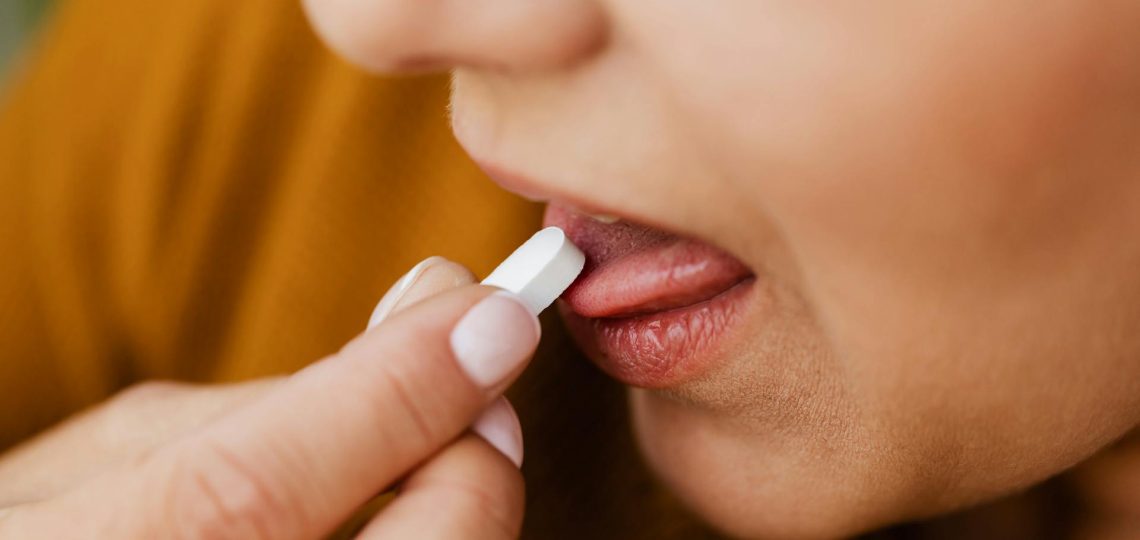
Once a healthcare provider determines that deworming is necessary, treatment typically involves a single dose or short course of antiparasitic medication designed to destroy adult worms and stop further reproduction. The medication may cause mild temporary effects such as nausea, dizziness, or slight abdominal discomfort as the body clears out the infection. These effects usually resolve quickly, allowing most adults to continue with their usual routines without significant disruption. Drinking plenty of water, resting as needed, and eating light meals can support the body’s natural elimination process during treatment.
Follow-up may be recommended depending on the type of parasite and the severity of the infection. In some cases, a second dose is required to ensure that recently hatched parasites are also eliminated. Maintaining good hygiene practices, washing hands thoroughly, and ensuring food is well-cooked are key steps in preventing future infections. Healthcare providers may also suggest dietary adjustments to support recovery, particularly if nutrient absorption was previously affected by the parasite.
Preventing Future Infections
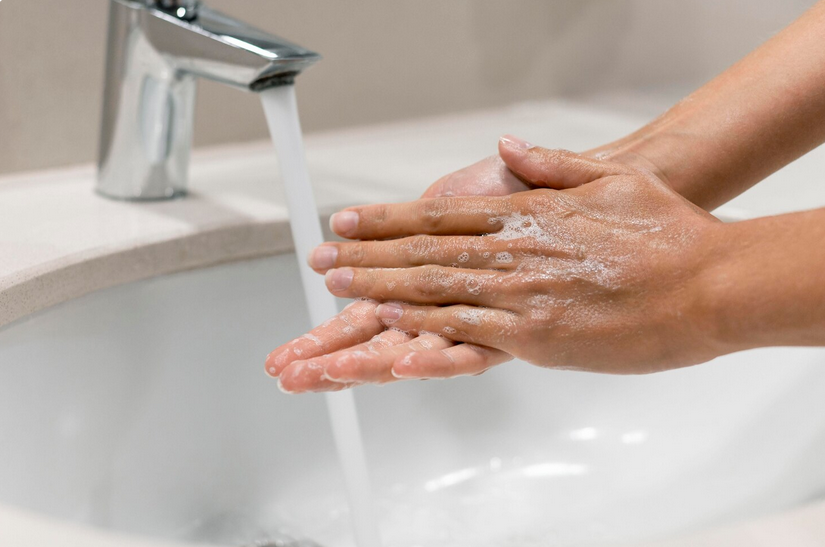
After successful treatment, maintaining parasite-free health requires consistent hygiene habits and awareness of potential risk factors. Adults should wash their hands before meals, after outdoor activities, and after handling pets. Ensuring drinking water is clean and avoiding undercooked meat significantly reduces exposure. Regular medical checkups can help detect any early signs of reinfection, especially in individuals with higher exposure risks due to work or travel. Deworming for adults becomes necessary when symptoms or medical tests indicate a parasitic infection that could impact overall health. Knowing when to seek treatment and understanding what to expect during the process ensures quick recovery and long-term protection. By following medical guidance, adopting good hygiene practices, and staying aware of potential risks, adults can effectively manage and prevent parasitic infections.…

 The first thing you should do is apply an ice pack around the area where the Botox was injected. Doing this will help reduce any swelling or redness after getting a treatment. Ice packs can also relieve any discomfort and pain caused by the injections. Make sure to use it for at least 15-20 minutes throughout the day, and remove it if you start to experience any increasing coldness or numbness.

 the best antibiotics and walk home to wait for the positive results, right? However, this is not the case when it comes to Lyme disease. One of the basic requirements of the condition is the care of medical practitioners who have studied the behavior of the bacteria in different human bodies as well as the reaction to the medication and therapies. They can quickly change the medication if there is no improvement or persistently increase the dosage to suppress and eliminate the infection.
 Patients are people with a suffering body, and they need the greatest care possible. A simple word of encouragement may not kill a bacteria but will give the patient energy to fight it. Doctors who tell the patients how possible it is to get well again even in the serious cases are usually successful. If a center has a reputation of poor customer service, then do not subject yourself or your patient to the discouragement to can worsen the situation. The Lyme bacteria needs great patience to come out and understanding to the patients.